Bridging the Digital Divide: Youth Future Lab and Kutambua Empower St. Andrews Mutus Students with Computer Literacy
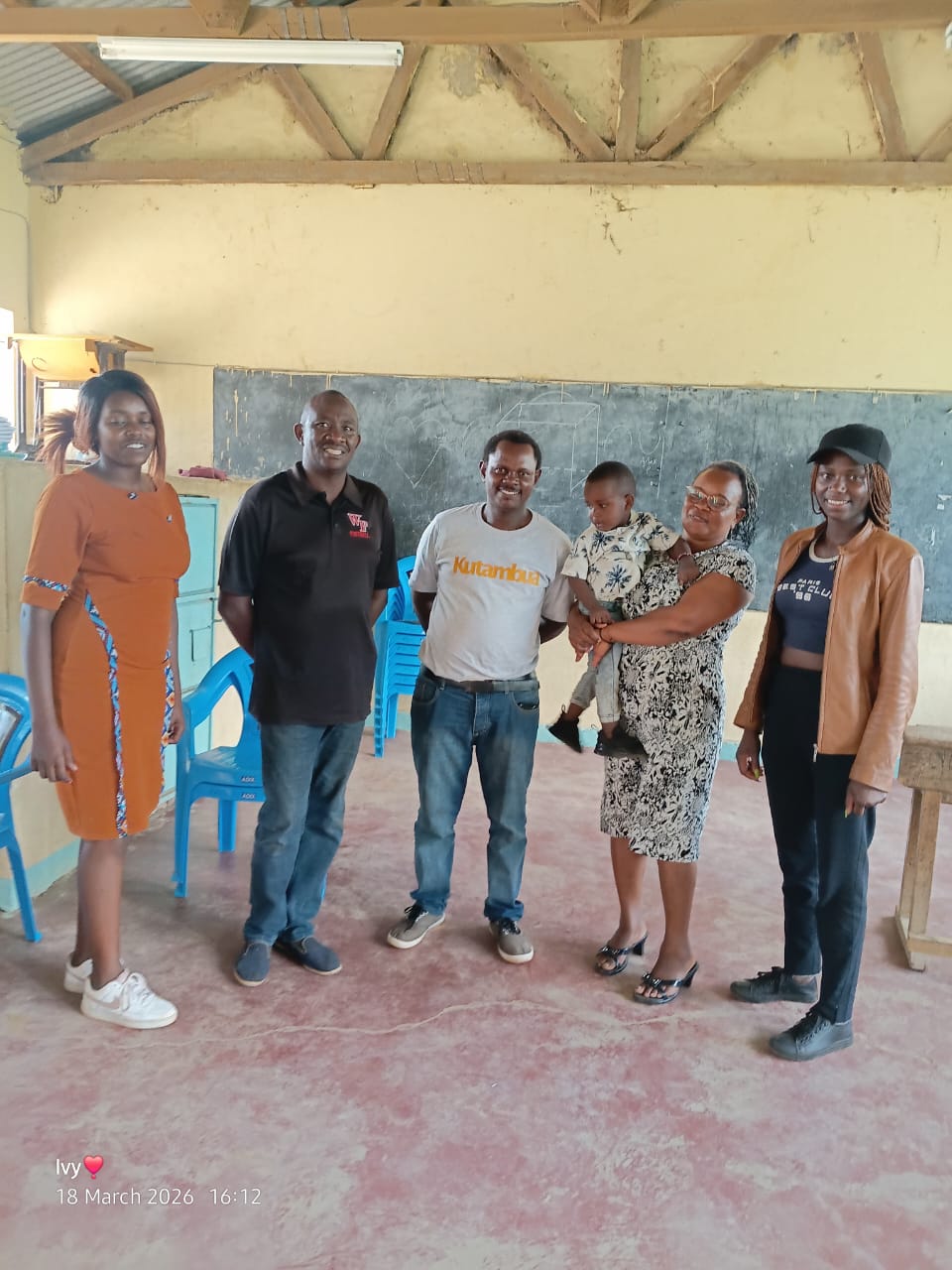
In a powerful demonstration of collaboration and impact, Youth Future Lab, through its digital learning platform Kutambua, recently visited St. Andrews Mutus School to assess and celebrate the progress made by students in computer studies. What began as a simple intervention to provide computers has grown into a transformative initiative that is reshaping learning and expanding opportunities for students in a rural setting.
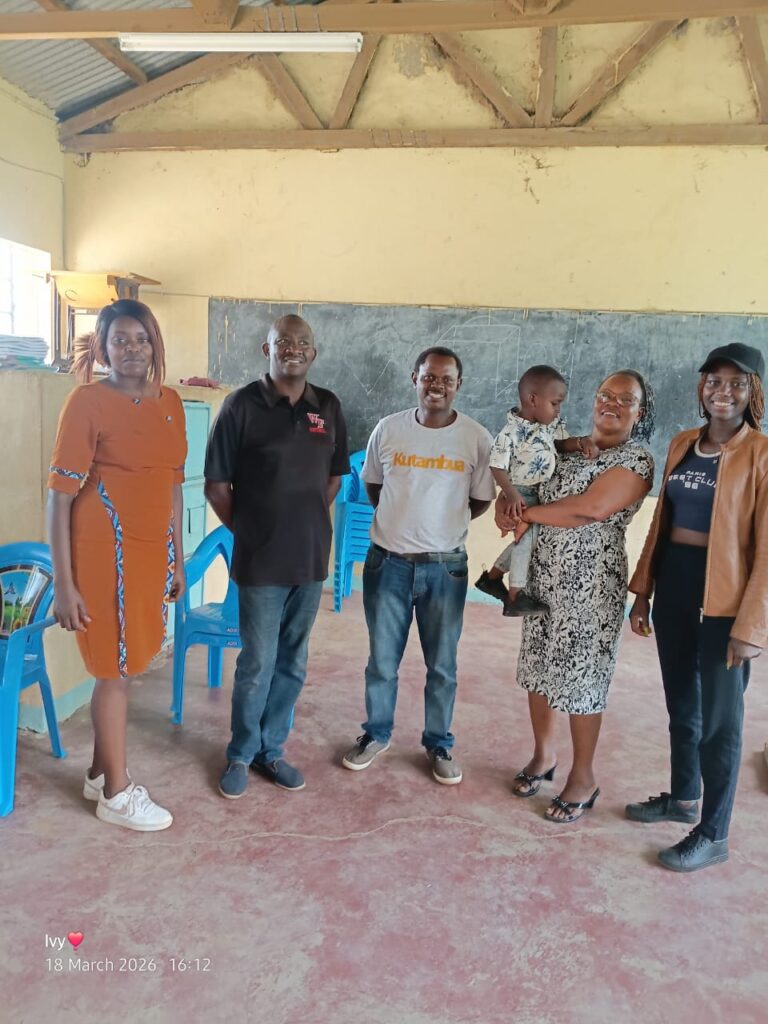
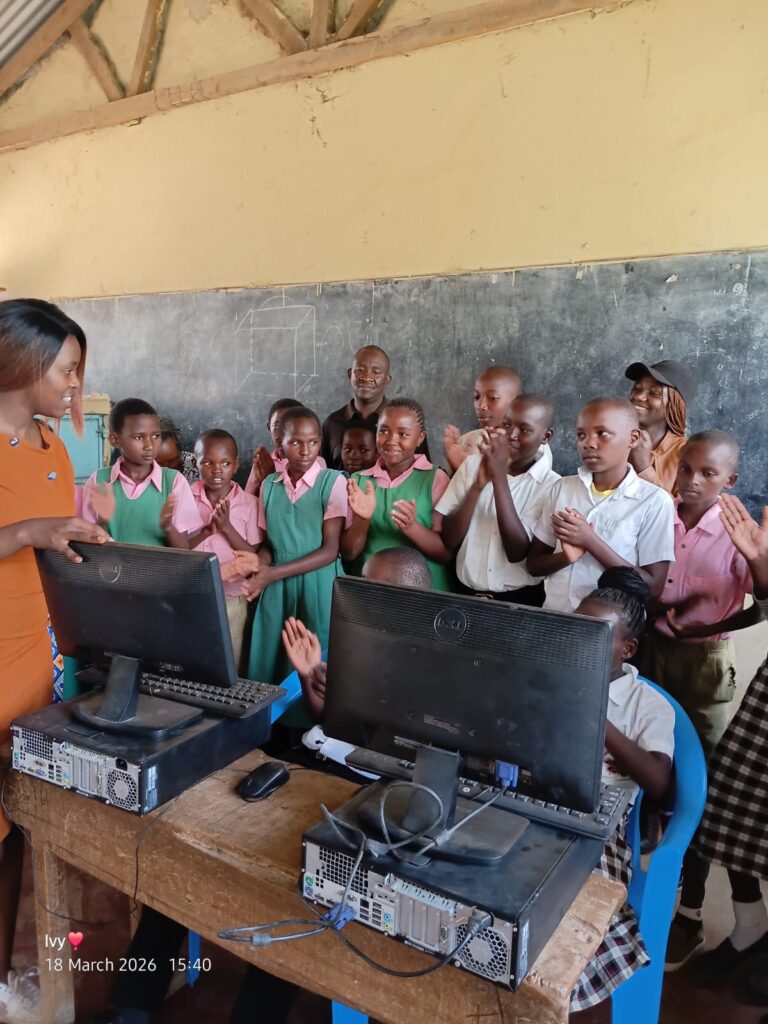
The visit marked an important milestone in understanding the real impact of the program. Teachers at the school expressed strong enthusiasm, noting significant improvements in students’ performance in basic computing, digital literacy, and introductory programming. Learners who were once unfamiliar with technology are now confidently using computers to navigate applications, conduct research, and create digital presentations. These are not just technical skills—they are foundational competencies for success in today’s increasingly digital world.
For the students of St. Andrews Mutus, access to computers has shifted education from theory to practice. Technology is no longer something distant or abstract; it is now a tool they interact with daily. In a community where access to digital infrastructure remains limited, the introduction of computers has created new pathways for learning, curiosity, and innovation. Beyond technical knowledge, students are developing critical thinking, creativity, and problem-solving skills that will serve them well beyond the classroom.
From the perspective of Youth Future Lab and Kutambua, the visit reinforced the value of targeted, community-driven interventions. Their approach goes beyond simply donating equipment. It includes training teachers, integrating digital learning into the school curriculum, and conducting follow-up engagements to ensure sustainability. This holistic model ensures that technology is not just introduced but effectively utilized for long-term educational benefit.
Early outcomes from the program are promising. Teachers report increased student engagement, improved performance in computer-related subjects, and a growing interest in technology-driven careers. These results reflect a broader trend seen across similar initiatives in Kenya, where access to digital tools has been linked to increased participation in STEM education and improved learning outcomes.
Looking ahead, there are plans to expand the impact even further. Proposed next steps include enhancing the school’s computer lab, introducing reliable power solutions such as solar energy, and rolling out more advanced learning modules in coding, digital innovation, and online safety. These efforts aim to deepen students’ exposure to technology while ensuring consistent access despite infrastructure challenges.
As one school administrator aptly noted, the initiative is about more than computers—it is about unlocking potential and opening doors to opportunities that once seemed out of reach. In a country where many young people still lack access to basic digital skills, such partnerships play a critical role in promoting equitable education and inclusion.
The work of Youth Future Lab through Kutambua continues to demonstrate that meaningful change is possible when innovation meets community needs. The progress at St. Andrews Mutus School stands as a testament to what can be achieved through vision, collaboration, and a commitment to empowering the next generation.